


Retro Electric Motorcycle
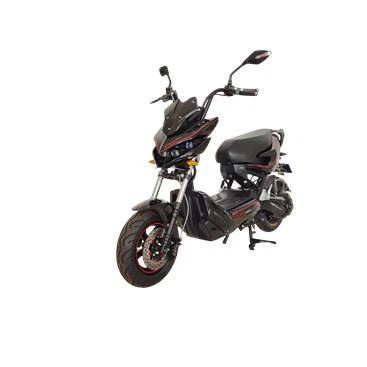
A retro electric motorcycle combines classic design elements with cutting-edge electric propulsion technology, offering a unique blend of vintage aesthetics and modern sustainability. These motorcycles often draw inspiration from iconic designs of the past, featuring timeless curves and details, while integrating advanced electric components for a clean and efficient ride.
A retro electric motorcycle combines classic design elements with cutting-edge electric propulsion technology, offering a unique blend of vintage aesthetics and modern sustainability. These motorcycles often draw inspiration from iconic designs of the past, featuring timeless curves and details, while integrating advanced electric components for a clean and efficient ride. The fusion of nostalgia and eco-friendly innovation makes retro electric motorcycles not only visually appealing but also environmentally conscious, providing riders with a stylish and sustainable mode of transportation.
Timeless Aesthetics And Style
Retro electric motorcycles merge the charm of vintage design with the latest electric propulsion technology, resulting in a visually appealing and timeless aesthetic.
Environmental Sustainability
One of the significant advantages of retro electric motorcycles lies in their contribution to environmental conservation. By utilizing electric power, these bikes produce zero emissions during operation, reducing the overall carbon footprint associated with traditional combustion engine motorcycles.
Efficient And Low Maintenance
Electric propulsion systems are known for their simplicity and efficiency. Retro electric motorcycles benefit from the inherent advantages of electric motors, such as instant torque, smooth acceleration, and reduced mechanical complexity.
Modern Technology Integration
Retro electric motorcycles seamlessly integrate modern technology into their classic design. Features like advanced battery management systems, regenerative braking, and smart connectivity enhance the overall riding experience.




Why Choose Us?
Quality Control
We have professional personnel to monitor the production process, inspect the products and ensure that the final product meets the required quality level standards, guidelines and specifications.
Rich Experience
Dedicated to strict quality control and attentive customer service, our experienced staff is always available to discuss your requirements and ensure complete customer satisfaction.
High Quality
Our products are manufactured or executed to very high standards, using the finest materials and manufacturing processes.
24h Online Service
We try and respond to all concerns within 24 hours and our teams are always at your disposal in case of any emergencies.
Frame
The frame provides structural support and determines the overall shape of the motorcycle. In retro designs, frames often mimic classic motorcycle styles, such as a cafe racer or bobber.
Electric Motor
The electric motor is the heart of the electric motorcycle, converting electrical energy from the battery into mechanical power. Retro electric bikes may use hub motors for a cleaner look or mid-drive motors for a more traditional appearance.
Battery Pack
The battery pack stores electrical energy and powers the electric motor. Lithium-ion batteries are commonly used for their energy density, efficiency, and relatively light weight. The battery pack's design can be integrated into the motorcycle frame to maintain a sleek appearance.
Controller
The controller manages the flow of electrical energy from the battery to the motor, regulating speed and torque. It is a crucial component for ensuring smooth and efficient operation.
Charging System
Retro electric motorcycles feature a charging system to replenish the battery. This can include an onboard charger that allows the motorcycle to be plugged into a standard electrical outlet or a charging station.
Throttle And Regenerative Braking
The throttle controls the speed and acceleration of the motorcycle. Regenerative braking technology is often incorporated to capture and convert kinetic energy back into electrical energy, improving overall efficiency.
Transmission
Some electric motorcycles use a single-speed transmission due to the inherent characteristics of electric motors. However, others may incorporate multi-speed transmissions to mimic the gear-shifting experience of traditional motorcycles.
Suspension System
Suspension components, such as front forks and rear shocks, are essential for providing a smooth and comfortable ride. Retro designs often feature classic-style suspension components.
Brake System
Retro electric motorcycles use disc brakes, drum brakes, or a combination of both for effective stopping power. Modern braking systems with abs (anti-lock braking system) may also be integrated.
Wheels And Tires
The choice of wheels and tires contributes to the overall aesthetic and handling characteristics of the motorcycle. Retro designs often feature spoked wheels and classic-style tires.
Lights And Indicators
Retro electric motorcycles incorporate traditional-style headlights, taillights, and turn indicators. Led technology may be used for improved energy efficiency.
Instrumentation And Controls
Classic-style gauges and controls maintain the retro aesthetic while providing essential information to the rider, such as speed, battery level, and other relevant data.
Seat And Bodywork
The seat and bodywork contribute significantly to the motorcycle's appearance. Retro electric motorcycles typically feature a combination of vintage-inspired seat designs and classic bodywork shapes.
Electronics And Connectivity
Some retro electric motorcycles may include modern electronic features, such as touchscreen displays, bluetooth connectivity, and smartphone integration, while maintaining a vintage look.
When designing a retro electric motorcycle, manufacturers carefully balance these components to create a harmonious blend of classic aesthetics and cutting-edge electric propulsion technology.
The Production Process of Retro Electric Motorcycle
Component Sourcing
Manufacturers source components such as the electric motor, battery pack, suspension, brakes, and other necessary parts. They may collaborate with suppliers to ensure quality and compatibility with the retro design.
Frame Fabrication
The frame is manufactured according to the design specifications. This may involve welding, shaping, and finishing processes. Some manufacturers opt for materials like steel or aluminum for a classic look.
Painting And Finishing
The frame and bodywork are painted and finished to achieve the desired retro appearance. This often involves multiple layers of paint, clear coating, and detailing to match the chosen design.
Motor And Battery Integration
The electric motor and battery pack are integrated into the frame. Depending on the design, the battery may be incorporated seamlessly into the frame to maintain a clean and retro look.
Electronics And Wiring
The electrical system, including the controller, wiring, and sensors, is installed. This step ensures that all components communicate effectively and function as intended.
Suspension, Wheels, And Brakes
Suspension components, wheels, and brake systems are installed. Retro electric motorcycles often feature spoked wheels and classic-style braking systems.
Assembly Of Other Components
Various other components, such as the handlebars, lights, indicators, and instrument cluster, are assembled onto the motorcycle. Attention to detail is crucial to maintain the retro design.
Quality Control And Testing
The assembled motorcycle undergoes rigorous quality control checks and testing. This includes functional tests of the electrical system, braking, suspension, and overall performance. Any issues are addressed and corrected.
Certifications And Compliance
The motorcycle is tested for compliance with safety and environmental regulations. This step ensures that the retro electric motorcycle meets the necessary standards for road use.
Packaging And Shipping
Once the motorcycles pass all quality and safety checks, they are packaged for shipping to dealerships or customers. This involves careful packaging to prevent damage during transit.
Sales And Distribution
Retro electric motorcycles are made available for sale through dealerships or online platforms. Marketing and distribution strategies are implemented to reach the target audience.
Throughout the production process, manufacturers aim to balance the classic design elements of a retro motorcycle with the cutting-edge technology of electric propulsion, resulting in a product that appeals to both motorcycle enthusiasts and those interested in sustainable transportation.
How to Choose Retro Electric Motorcycle



Design Aesthetics
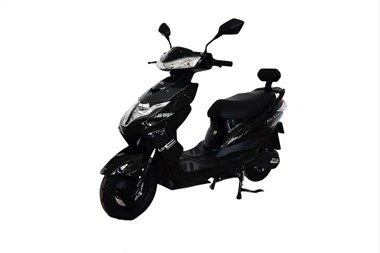
Identify the retro style that appeals to you the most. Whether it's a cafe racer, bobber, scrambler, or another classic design, choose a motorcycle that aligns with your personal taste and preferences.
Performance And Range
Evaluate the electric motor's power and the overall performance of the motorcycle. Consider factors such as acceleration, top speed, and range on a single charge. Choose a bike that meets your commuting and riding needs.
Battery Technology
Examine the battery technology used in the motorcycle. Lithium-ion batteries are common for their energy density, but variations in battery technology can affect charging times and overall lifespan.
Charging Infrastructure
Consider the availability of charging infrastructure in your area. Check whether the motorcycle supports standard household outlets or requires specific charging stations. Some retro electric motorcycles offer fast-charging capabilities.
Riding Experience
Consider the overall riding experience, including comfort, handling, and maneuverability. Test rides or reviews can provide insights into the motorcycle's performance and how well it meets your riding expectations.
Build Quality And Materials
Assess the build quality and materials used in the motorcycle's construction. Retro designs often feature metal frames, but variations exist. Choose a bike with sturdy construction and quality components for durability.
Weight And Size
Pay attention to the weight and size of the motorcycle. A retro design may sometimes come with a heavier frame. Ensure that the bike is manageable for your physical size and strength.
Braking System
Check the type of braking system used. Retro electric motorcycles may feature disc brakes, drum brakes, or a combination of both. Consider the braking performance and whether features like abs are included.
Customization Options
Explore whether the manufacturer offers customization options. Some riders enjoy personalizing their motorcycles with accessories or modifications. A manufacturer that supports customization allows you to tailor the bike to your preferences.
Maintenance And Service
Research the maintenance requirements and service availability for the retro electric motorcycle. Ensure that there are service centers or qualified technicians in your area who can handle maintenance and repairs.
Technology And Features
Assess the technology and features integrated into the motorcycle. Some retro electric bikes offer modern conveniences such as touchscreen displays, smartphone connectivity, and advanced safety features.
Price
Determine your budget and compare the prices of different retro electric motorcycles. Consider the overall value, including performance, features, and build quality, in relation to the price.
Warranty And Support
Review the warranty offered by the manufacturer. A solid warranty indicates the manufacturer's confidence in their product. Additionally, check the availability of customer support and service options.
By carefully considering these factors, you can choose a retro electric motorcycle that not only captures the classic style you desire but also meets your practical needs and preferences for an electric-powered ride.
What Types of Electric Motors are Commonly Used in Retro Electric Motorcycles
Hub Motors
Hub motors, also known as wheel motors, are directly integrated into the wheel hub. This design eliminates the need for a traditional chain or belt drive system. Hub motors provide a clean and simple look to the motorcycle, making them suitable for retro designs. They are often used in the rear wheel but can also be found in the front wheel or both wheels. Hub motors are known for their ease of installation and maintenance.
Mid-drive Motors
Mid-drive motors are positioned in the center of the motorcycle, usually integrated with the bike's frame. These motors are connected to the bike's drivetrain and transfer power directly to the chain or belt, allowing the motor to take advantage of the bike's gears. Mid-drive motors provide good balance and weight distribution, contributing to better handling and performance. This type of motor is suitable for retro motorcycles that aim to mimic the traditional internal combustion engine setup.
In-wheel Motors
In-wheel motors are placed inside the motorcycle's wheels, either in the front or rear. This design offers a compact and space-efficient solution, preserving the overall aesthetics of the motorcycle. In-wheel motors can be hub motors, but they are distinguished by being placed within the structure of the wheel itself. They provide a direct drive system, eliminating the need for additional transmission components. In-wheel motors contribute to a simplified design and ease of maintenance.
The choice between these motor types often depends on the manufacturer's design goals, the desired aesthetic of the retro electric motorcycle, and the intended performance characteristics. Each motor type comes with its own set of advantages and considerations related to installation, efficiency, and overall riding experience.
What Materials are Often Used in the Construction of Frames for Retro Electric Motorcycles
Steel
Steel is a traditional and widely used material for motorcycle frames. It provides excellent strength and durability, making it suitable for retro designs that often seek to emulate classic motorcycles. Steel frames can be welded into various shapes and configurations, allowing for customization while maintaining a vintage appearance.
Aluminum
Aluminum is valued for its lightweight properties while offering good strength. Motorcycle frames made of aluminum contribute to a lighter overall weight, enhancing handling and maneuverability. Retro electric motorcycles with aluminum frames can achieve a classic look while benefiting from modern material advancements.
Alloy Combinations
Some manufacturers use alloy combinations, such as aluminum alloys or steel-aluminum hybrids, to optimize the frame's strength-to-weight ratio. Alloy frames can offer a balance between the strength of steel and the lighter weight of aluminum.
Chromoly (chrome-molybdenum) Steel
Chromoly steel is a high-strength alloy that is lighter than standard steel. It is often used in motorcycle frames to achieve a balance between strength and weight reduction. Chromoly frames can provide a classic appearance while offering enhanced performance characteristics.
Composite Materials
Some manufacturers experiment with composite materials like carbon fiber or fiberglass to create frames for retro electric motorcycles. These materials are known for their high strength-to-weight ratios, allowing for lighter frames without sacrificing structural integrity. However, the use of composite materials in retro designs may be less common due to their modern appearance.
Bamboo And Wood
In niche cases, manufacturers may use bamboo or wood as materials for the frame or frame accents. While not as common, these materials can contribute to a unique and eco-friendly aesthetic, especially in custom or artisanal builds.
The choice of frame material often depends on the design goals of the manufacturer, the desired aesthetic of the retro electric motorcycle, and considerations related to performance and handling. Each material has its own set of characteristics, and manufacturers carefully select the one that best aligns with the overall vision for the motorcycle.
How Does the Weight and Size of a Retro Electric Motorcycle Impact its Maneuverability
Weight
Positive impact: A heavier motorcycle can provide stability, especially at higher speeds. It may also contribute to a smoother ride, absorbing bumps and vibrations from the road.
Negative impact: Maneuverability can be compromised, especially at lower speeds or in tight spaces. Heavier bikes require more effort to lean into turns and can be more challenging to handle for less experienced riders.
Size
Positive impact: A larger motorcycle can offer a more comfortable riding position and potentially a smoother ride, particularly on long journeys. The size may also provide additional storage space for luggage.
Negative impact: Smaller, more compact motorcycles tend to be more maneuverable, making them easier to handle in urban environments, heavy traffic, or tight corners. Larger bikes may be less nimble in these situations.
Distribution Of Weight
Positive impact: Even if a motorcycle is heavy, a well-distributed weight across the frame can enhance stability and maneuverability. This is crucial for maintaining control during turns and quick maneuvers.
Negative impact: Poor weight distribution can make a motorcycle feel unwieldy and unresponsive. For example, if a significant portion of the weight is high up or towards the front, it may affect the bike's handling negatively.
Center Of Gravity
Positive impact: A lower center of gravity, achieved through careful design and weight distribution, can enhance stability and make the motorcycle more responsive to rider input.
Negative impact: A higher center of gravity can make the bike feel top-heavy, particularly during low-speed maneuvers or when stopped. This can increase the likelihood of tipping over.
Frame And Chassis Design
Positive impact: A well-designed frame and chassis can contribute to both stability and maneuverability. Modern materials and construction techniques can help achieve a balance between strength and weight.
Negative impact: Poor design can result in a motorcycle feeling unsteady or difficult to control, regardless of its weight.
In the context of retro electric motorcycles, manufacturers often strive to combine the classic aesthetics with modern engineering for a balance between style and performance. Riders should consider their own preferences, riding style, and the environments they plan to navigate when choosing a motorcycle based on its weight and size. Additionally, advancements in electric motor and battery technology may influence the weight and performance characteristics of retro electric motorcycles in unique ways.
What Maintenance Requirements Should Owners be Aware of for Retro Electric Motorcycles
Battery Maintenance
Charge regularly: Keep the battery charged regularly, as most electric motorcycles use lithium-ion batteries. Regular charging helps maintain the battery's health and overall performance.
Storage: If storing the motorcycle for an extended period, it's advisable to keep the battery at around 50% charge and store it in a cool, dry place.
Motor And Drivetrain
Check for leaks: Although electric motorcycles don't have oil or fuel leaks like traditional bikes, it's still essential to inspect for any fluid leaks, especially from the coolant system or the gearbox (if applicable).
Tire Maintenance
Proper inflation: Regularly check and maintain the correct tire pressure to ensure optimal performance and safety.
Tread wear: Inspect tires for wear and replace them when necessary.
Brake System
Brake fluid: Check the brake fluid levels regularly and replace it as recommended by the manufacturer.
Brake pads: Monitor brake pad wear and replace them as needed.
Charging System
Charging cable inspection: Examine the charging cable for any signs of damage. Replace damaged cables promptly to avoid safety hazards.
Charging port maintenance: Keep the charging port clean and free from debris.
Software And Firmware Updates
Regularly update the motorcycle's software and firmware as recommended by the manufacturer. Updates may include improvements to performance, efficiency, and safety features.
Cooling System
If the electric motorcycle has a cooling system (air or liquid), ensure that it's functioning correctly, and clean or replace filters as needed.
Suspension System
Regularly inspect the suspension components for wear and damage. Lubricate parts as recommended in the owner's manual.
Electrical Components
Inspect wiring and electrical connections for any signs of wear, damage, or loose connections.
What is the Significance of the Seat Design and Overall Bodywork in Retro Electric Motorcycles
Aesthetic Appeal
Nostalgic design: Retro electric motorcycles draw inspiration from classic, vintage designs. The seat and bodywork contribute to the overall aesthetic, often featuring classic shapes, lines, and details reminiscent of iconic motorcycles from the past.
Ergonomics And Comfort
Riding posture: The seat design influences the rider's posture and comfort. Retro electric motorcycles typically prioritize a more upright and relaxed riding position, enhancing comfort during leisurely rides and adding to the overall enjoyment of the riding experience.
Authenticity And Brand Identity
Distinctive look: The seat and bodywork contribute to creating a distinctive and recognizable brand identity. Retro electric motorcycles often have a unique visual signature that sets them apart in the market, helping to establish a brand's authenticity and heritage.
Materials And Craftsmanship
Premium finishes: High-quality materials, such as leather, metal, and well-crafted finishes, are often used in the seat and bodywork of retro electric motorcycles. This attention to detail enhances the perceived value of the motorcycle and reinforces the premium nature of the brand.
Practical Features
Storage options: Some retro electric motorcycles incorporate practical features into the bodywork, such as hidden storage compartments or attachment points for accessories. While maintaining a vintage look, manufacturers may aim to provide some level of utility for riders.
Weight Distribution And Handling
Balanced design: The placement of the seat and bodywork can impact the motorcycle's weight distribution. Achieving a balanced design is crucial for stable and predictable handling, contributing to the overall safety and performance of the bike.
Customization Potential
Modularity: Retro electric motorcycles often offer customization options. The seat and bodywork may be designed to allow easy modifications, encouraging riders to personalize their bikes with aftermarket accessories and components.
Integration Of Technology
Seamless integration: As electric motorcycles incorporate advanced technology, the design of the seat and bodywork becomes essential for seamlessly integrating components like the battery and electric motor. Manufacturers aim to maintain a classic appearance while incorporating modern elements.
Visibility And Safety
Lighting design: The bodywork often includes elements related to lighting, such as headlamps and taillights. These contribute not only to the overall aesthetics but also to rider safety by enhancing visibility on the road.
In summary, the seat design and overall bodywork in retro electric motorcycles are critical for creating a cohesive and visually appealing design. They serve as key elements that bridge the gap between classic aesthetics and modern technology, providing riders with a unique blend of style, comfort, and performance. Manufacturers carefully consider these aspects to deliver a product that resonates with enthusiasts seeking a nostalgic yet contemporary riding experience.
Round Shapes
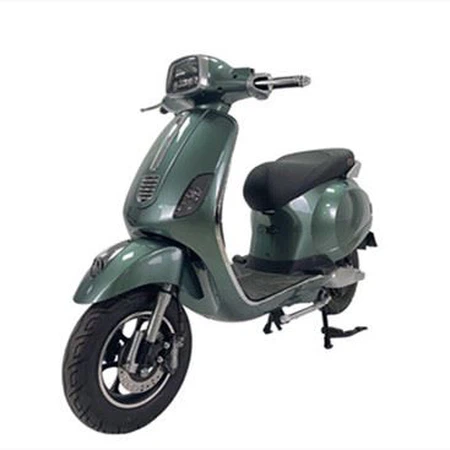
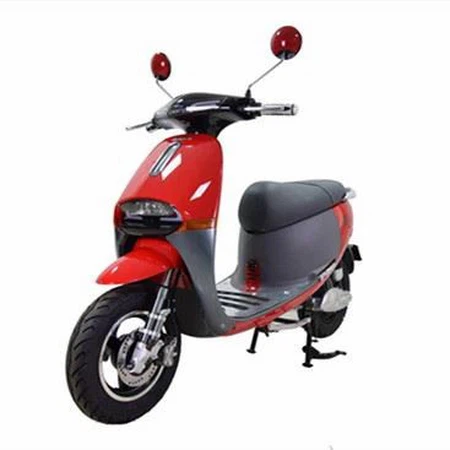
Headlights and taillights: Classic motorcycles from the mid-20th century often featured round headlights and taillights. Retro electric motorcycles frequently adopt this circular design to evoke a vintage aesthetic. The simplicity and symmetry of round shapes are emblematic of classic motorcycle styling.
Chrome Or Polished Metal Finishes
Trim and housings: Retro motorcycles often incorporate chrome or polished metal finishes on the trim and housings of lights. This design choice harks back to an era when shiny metal accents were a common feature on classic bikes, adding a touch of nostalgia and elegance.
Incorporation Of Classic Materials
Glass lenses: The use of glass lenses in headlights and taillights contributes to a classic look. Glass was a common material in vintage motorcycle lighting, and its inclusion in retro designs enhances the authenticity of the aesthetic.
Minimalist Design
Clean lines: Retro motorcycles typically feature clean and minimalist lines. The design of headlights, taillights, and indicators often follows this principle, avoiding overly complex or futuristic shapes and focusing on simplicity and elegance.
Bulb Type
Exposed bulbs: Some retro designs expose the bulbs within the headlight or taillight housing, reminiscent of older motorcycles where the bulb was a visible and integral part of the lighting design.
Amber-colored Indicators
Turn signal design: Amber-colored turn signal indicators are a common feature in retro motorcycle designs. This color choice aligns with the vintage look and is often associated with classic bikes from the past.
Integration With Bodywork
Seamless integration: The integration of lighting elements with the overall bodywork is crucial. Retro electric motorcycles aim for a cohesive design where headlights, taillights, and indicators seamlessly blend with the overall aesthetic rather than standing out as separate, modern components.
Influence From Classic Models
Heritage styling: Manufacturers often take inspiration from specific classic models when designing lighting elements. By incorporating styling cues from iconic bikes of the past, they create a sense of heritage and pay homage to the history of motorcycling.
Modern Led Technology
Balancing technology with aesthetics: While modern led technology is prevalent in retro electric motorcycles for its efficiency and brightness, designers strive to integrate these technologies in a way that maintains the classic look. Led elements might be arranged in a circular pattern or housed within a vintage-inspired casing.
In essence, the design of headlights, taillights, and indicators in retro electric motorcycles involves a careful balance between modern technology and classic styling cues. The goal is to evoke a sense of nostalgia while incorporating the efficiency and safety benefits of contemporary lighting technology.

How do Retro Electric Motorcycles Contribute to Sustainability and Environmental Concerns
Zero Emissions
Retro electric motorcycles run on electric motors powered by batteries, producing zero tailpipe emissions. This contrasts with traditional internal combustion engine motorcycles that emit pollutants such as carbon monoxide, nitrogen oxides, and hydrocarbons.
Reduced Air And Noise Pollution
Since electric motorcycles produce no exhaust emissions, they contribute to improved air quality in urban environments. Additionally, they generate significantly less noise compared to traditional motorcycles, contributing to reduced noise pollution.
Energy Efficiency
Electric motors are inherently more energy-efficient than internal combustion engines. Retro electric motorcycles convert a higher percentage of the electrical energy from the battery into kinetic energy, resulting in overall greater energy efficiency.
Lower Carbon Footprint
The environmental impact of retro electric motorcycles depends on the source of electricity used to charge their batteries. However, even when charged with electricity from a grid that includes fossil fuels, electric motorcycles often have a lower carbon footprint compared to traditional motorcycles, especially as the energy mix becomes cleaner.
Regenerative Braking
Many retro electric motorcycles feature regenerative braking systems that convert kinetic energy into electrical energy during deceleration. This technology helps increase energy efficiency and extends the range of the motorcycle.
Longer Lifespan And Lower Maintenance
Electric motorcycles generally have fewer moving parts than internal combustion engine motorcycles, leading to reduced maintenance requirements. With fewer components subject to wear and tear, retro electric motorcycles may have a longer overall lifespan, contributing to resource conservation.
Battery Recycling Programs
As electric vehicle technology advances, efforts to develop effective battery recycling programs are becoming more prevalent. The recycling of lithium-ion batteries used in retro electric motorcycles helps manage waste and recover valuable materials, reducing the environmental impact of battery disposal.
Sustainable Materials
Manufacturers of retro electric motorcycles may use sustainable and eco-friendly materials in the construction of their bikes. This includes considerations for the frame, bodywork, and other components to reduce the overall environmental impact of production.
Encouraging Sustainable Transportation Practices
By promoting electric motorcycles with a retro aesthetic, manufacturers contribute to a shift in consumer preferences towards more sustainable transportation options. This encourages the adoption of environmentally friendly alternatives in the motorcycle market.
Government Incentives
In many regions, governments provide incentives for electric vehicles, including motorcycles. These incentives may include tax credits, subsidies, or other benefits that make retro electric motorcycles more economically attractive and encourage their adoption.
While retro electric motorcycles align with sustainability goals, it's essential to consider the entire lifecycle of the product, from manufacturing to disposal, to comprehensively assess their environmental impact. Additionally, the growth of renewable energy sources in the electricity grid further enhances the sustainability of electric vehicles.
FAQ
Q: What defines a retro electric motorcycle?
Q: How does the retro aesthetic contribute to the appeal of electric motorcycles?
Q: What are the advantages of choosing a retro electric motorcycle over a traditional one?
Q: Do retro electric motorcycles have a limited range compared to traditional motorcycles?
Q: How long does it take to charge a retro electric motorcycle?
Q: Are retro electric motorcycles suitable for long-distance touring?
Q: What maintenance is required for retro electric motorcycles?
Q: How do retro electric motorcycles handle compared to traditional bikes?
Q: Can retro electric motorcycles be customized?
Q: Do retro electric motorcycles use standard motorcycle components?
Q: What kind of riding experience do retro electric motorcycles offer?
Q: How is safety addressed in retro electric motorcycles?
Q: Are there government incentives for purchasing retro electric motorcycles?
Q: What charging infrastructure is available for retro electric motorcycles?
Q: How do retro electric motorcycles contribute to environmental sustainability?
Q: Are there specific licensing requirements for riding retro electric motorcycles?
Q: Can retro electric motorcycles handle off-road riding?
Q: How do retro electric motorcycles contribute to the innovation of the motorcycle industry?
Q: Do retro electric motorcycles have a specific target demographic?
Q: What is the resale value of retro electric motorcycles?
Hot Tags: retro electric motorcycle, China retro electric motorcycle manufacturers, suppliers, factory, electric pit bike, 12AH Electric Bicycle, cheap electric dirt bikes, Electric Bicycle with Storage Basket, ebikes motorcycles, priority ebike


Send Inquiry
